
Home cooks spend significant time sourcing the finest ingredients, honing cooking techniques, and planning meals. When you decide to make a meal—whether it is a simple weeknight dinner like baked white fish with lemon caper sauce or a vibrant weekend dish like spicy Cajun shrimp—you naturally focus on flavor, texture, and timing. However, the most critical step in cooking begins before you turn on the stove. Food safety in the home kitchen is often associated with clean hands, separate cutting boards, and proper internal cooking temperatures. While these practices are essential, they do not address the hazards that arrive in your kitchen pre-packaged: food recalls and allergen alerts.
Recalls are regulatory safety measures designed to protect consumers. A recall occurs when a manufacturer or government agency identifies a hazard in a food product that makes it unsafe to consume. For home cooks, integrating a quick ingredient verification step into meal prep is a simple habit that prevents foodborne illness and ensures peace of mind.
Seafood, Sauces, and Pantry Staples: What to Look For
Seafood recipe readers are familiar with selecting fresh fish, checking for clear eyes, and seeking a clean ocean smell. However, modern kitchens rely heavily on a mixture of fresh, frozen, and shelf-stable ingredients. Many seafood dishes incorporate processed items, pre-made sauces, canned ingredients, and spices. Each of these categories is subject to different safety risks and regulatory checks.
- Fresh and Frozen Seafood: Frozen fillets, pre-cooked shrimp, and packaged shellfish are convenient staples. Because seafood is highly perishable and can carry pathogens like Listeria monocytogenes or Vibrio if improperly handled, these products are closely monitored. Allergen cross-contact is also a risk in facilities that process multiple types of fish and shellfish.
- Pantry Staples and Seasonings: Dried spices, oils, stocks, and canned items have long shelf lives, which means they can sit in your pantry for months after a recall is issued. Spices like black pepper, paprika, or cumin can sometimes be recalled due to Salmonella contamination. Canned goods, such as canned tuna, anchovies, or coconut milk, can face issues ranging from packaging defects (which compromise the seal) to undeclared allergens in the canning liquid.
- Sauces and Marinades: Pre-bottled sauces, soy sauce, caper brines, and marinades are essential for building depth of flavor. These products often contain complex ingredients that can trigger severe reactions if an allergen is omitted from the label. For instance, a sauce might contain undeclared wheat, soy, milk, or fish, leading to a recall. This check is especially important when preparing dishes that use raw or lightly cooked seafood, such as a tuna poke bowl, where ingredients receive minimal heat treatment to neutralize potential bacterial hazards.
Deciphering Product Identifiers: Lot Codes and Expiration Dates
When a food recall is announced, it rarely applies to every package of a brand’s product. Instead, recalls are targeted. They apply only to specific batches manufactured during a certain timeframe, at a particular facility, or using a specific lot of raw ingredients. To verify if an item in your kitchen is affected, you must know how to locate and read product identifiers.
Example: Check Every Code on a Canned Tuna Can
The FDA posted Tri-Union Seafoods’ company announcement on February 10, 2025; the announcement is dated February 7. It covers specified cans sold under Genova, Van Camp’s, H-E-B, and Trader Joe’s brands—not every tuna can. One listed item is Genova Solid White Tuna in Olive Oil, 5 ounces, UPC 4800000215, can code S94N 42K, with a best-if-used-by date of 12/12/2027. The notice warns that defective easy-open pull-tab lids could compromise the seal and says not to use a matching can even if it looks or smells normal. This dated example shows why product name, size, UPC, can code, and date must all match; read the FDA notice for the exact affected products and instructions. It is a historical example, not a live status summary.
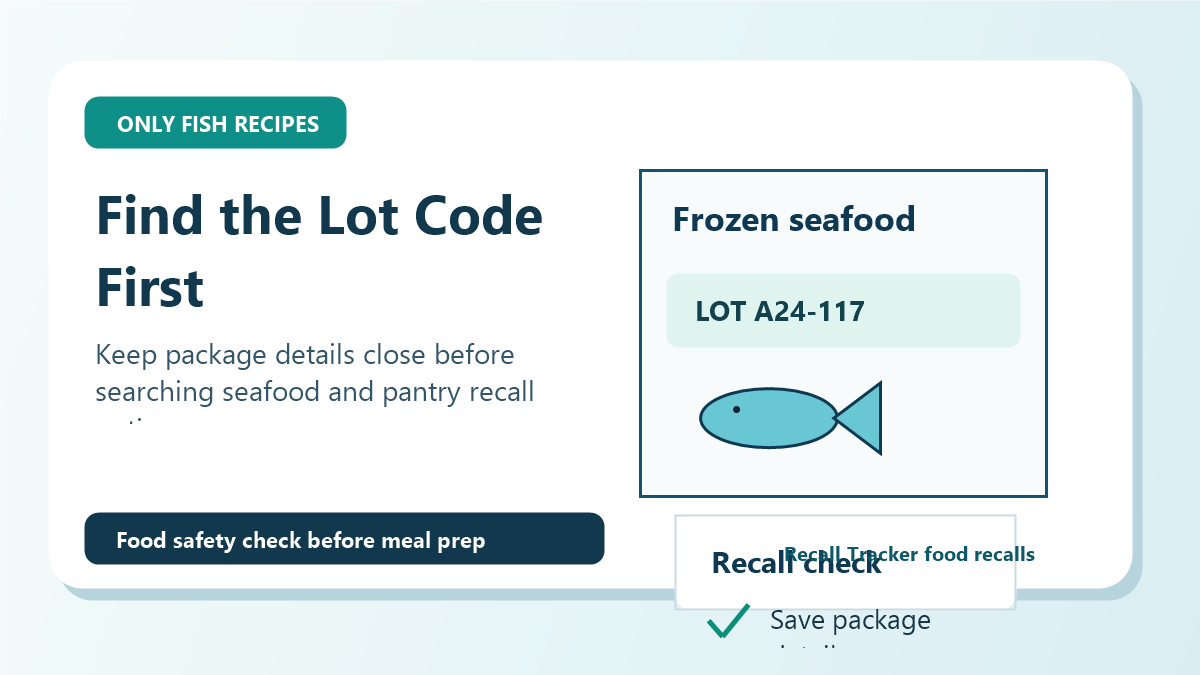
- The Lot Code or Batch Number: This is the most critical piece of information. A lot code is a unique series of numbers, letters, or a combination of both printed directly on the packaging. Unlike the barcode (UPC), which is the same for every single package of that product nationwide, the lot code identifies the exact day, shift, and production line where your specific package was filled. Lot codes are usually printed on the back of plastic bags, stamped on the metal lid or bottom of cans, or printed near the expiration date.
- Expiration or "Best By" Dates: Many recalls specify a range of "Best By" or "Use By" dates. While these dates do not replace the lot code, they help you quickly narrow down whether your product falls within the window of concern.
- UPC (Bar Code): The Universal Product Code is the 12-digit number underneath the barcode. It identifies the brand and product. During a recall, the announcement will list the UPC to help you confirm the product identity, but you must still match the lot code to confirm if your specific pack is recalled.
Official Channels vs. Search Tools: Where to Verify Recalls
Knowing where to find accurate, up-to-date recall information is key to maintaining an efficient safety routine. In the United States, food safety oversight is split between different federal agencies depending on the type of food.
- The Food and Drug Administration (FDA): The FDA regulates the vast majority of food products, including fresh and frozen seafood, dairy, produce, shelf-stable pantry items, spices, and packaged snacks. If a recall involves packaged cod fillets, jarred capers, or bottled marinade, you will find the official notice on the FDA recalls, market withdrawals, and safety alerts page.
- The USDA Food Safety and Inspection Service (FSIS): The FSIS is responsible for the safety of meat, poultry, and processed egg products. If you are preparing a dish that combines seafood with meat, such as a seafood gumbo containing sausage, you must check the USDA FSIS recalls and public health alerts portal for the meat portion of the recipe.
- Recalls.gov: For a consolidated search across multiple federal agencies, the Recalls.gov food recall gateway serves as a centralized starting point, linking directly to the respective agency databases.
- Online Search Tools: For a quick and user-friendly lookup, tools like the food recall alerts section of Recall Tracker can help you search recent alerts. These tools aggregate data to make searching convenient. However, it is vital to remember that third-party search tools do not replace official announcements. Always verify the specific lot details and remedy instructions on the official FDA or USDA FSIS pages if you find a potential match.
Comparison Table: Food Recall Oversight and Resources
On smaller screens, scroll the comparison table horizontally to see all four columns.
| Regulatory Agency / Tool | Food Types Covered | Official Database Link | Key Identifier to Verify |
|---|---|---|---|
| FDA | Seafood, dairy, produce, packaged food, spices, and beverages | FDA Recalls Portal | Lot code, UPC, expiration dates |
| USDA FSIS | Meat, poultry, and processed egg products | USDA FSIS Recalls | Establishment number (EST), lot code |
| Recalls.gov | Gateway for all federal recall categories, including food | Recalls.gov Food Gateway | Links to FDA and USDA databases |
| Recall Tracker | Aggregated lookup for food and consumer safety alerts | Recall Tracker Food Hub | Brand name, product keywords |
Your Pre-Meal Prep Safety Checklist
To make food safety a natural part of your kitchen workflow, follow this quick checklist before you start prepping your ingredients:
- Inspect Packaging: Check cans for bulges, deep dents, or rust. Check plastic packages for tears, broken seals, or signs of moisture where it should not be.
- Verify Brand and Product Name: Check if any of your key ingredients match recent news headlines.
- Check the Lot Code: If a brand matches a recall warning, locate the lot code on your package and compare it to the recalled codes.
- Identify Undeclared Allergens: If someone in your household has a food allergy, check allergen alert notices even if the product appears safe.
- Consult Official Sources: Use official databases to verify the status of any suspicious item.
Safe Action Steps: What to Do if an Ingredient is Recalled
If your verification check reveals that an ingredient in your kitchen is indeed part of an active recall, take immediate and calm action.
- Do Not Open or Eat It: Even if the food looks, smells, and tastes normal, microbial contamination like Listeria or Salmonella is invisible.
- Follow Official Instructions: Every recall notice includes specific instructions on what to do with the product. Typically, you will be advised to either throw it away safely or return it to the retail store for a full refund.
- Discard Safely: If you are instructed to discard the item, wrap it securely in a plastic bag before putting it in your household trash. This prevents family members, pets, or outdoor wildlife from accidentally eating it.
- Clean and Sanitize: If the recalled item was stored in your refrigerator or pantry, remove any surrounding items and clean the shelves thoroughly with warm, soapy water, followed by a mild sanitizing solution. This prevents cross-contamination.
Frequently Asked Questions
How do I find the lot code on packaged seafood?
Lot codes, block codes, or batch numbers are typically printed near the expiration date, on the bottom of cans, or stamped on the plastic film of packaged fish. These codes identify the specific production run and facility, helping you determine if your package is part of a recall even if the brand and product name match.
What is the difference between a Class I, Class II, and Class III recall?
Class I, II, and III are risk classifications assigned by the agency that regulates the product; they do not override the notice’s product match or instructions. FDA defines Class I as a reasonable probability of serious adverse health consequences or death; FDA Class II may involve temporary or medically reversible effects, or a remote probability of serious harm; and Class III is unlikely to cause adverse health consequences. USDA FSIS uses its own recall process for meat, poultry, and egg products; its Class II definition refers to a remote probability of adverse health consequences. Read the classification in the responsible agency’s notice and follow that notice for the exact product. See the FDA recall-classification definitions and USDA FSIS recall guide.
Should I return recalled food to the grocery store or throw it away?
You should follow the specific instructions in the official recall notice. In most cases, you can return the product to the store where you purchased it for a full refund. If you choose to throw it away, ensure it is wrapped securely so pets or wildlife cannot access it.
Does cooking recalled seafood make it safe to eat?
No. Do not try to make recalled food safe by cooking it. Recall notices can involve allergens, foreign material, labeling errors, contamination, or other problems that normal cooking may not fix. Follow the official recall notice for whether to return, discard, or otherwise handle the product.
How can I get automatic notifications for seafood recalls?
You can sign up for email alerts directly on the FDA and USDA FSIS recall pages. You can also monitor aggregated consumer platforms or check trusted food safety sites regularly as part of your monthly household routine.

0 Comments